Wetroom installation in south London
Fully tanked, level-access wetrooms — designed and built to not leak, with the paperwork to prove it.
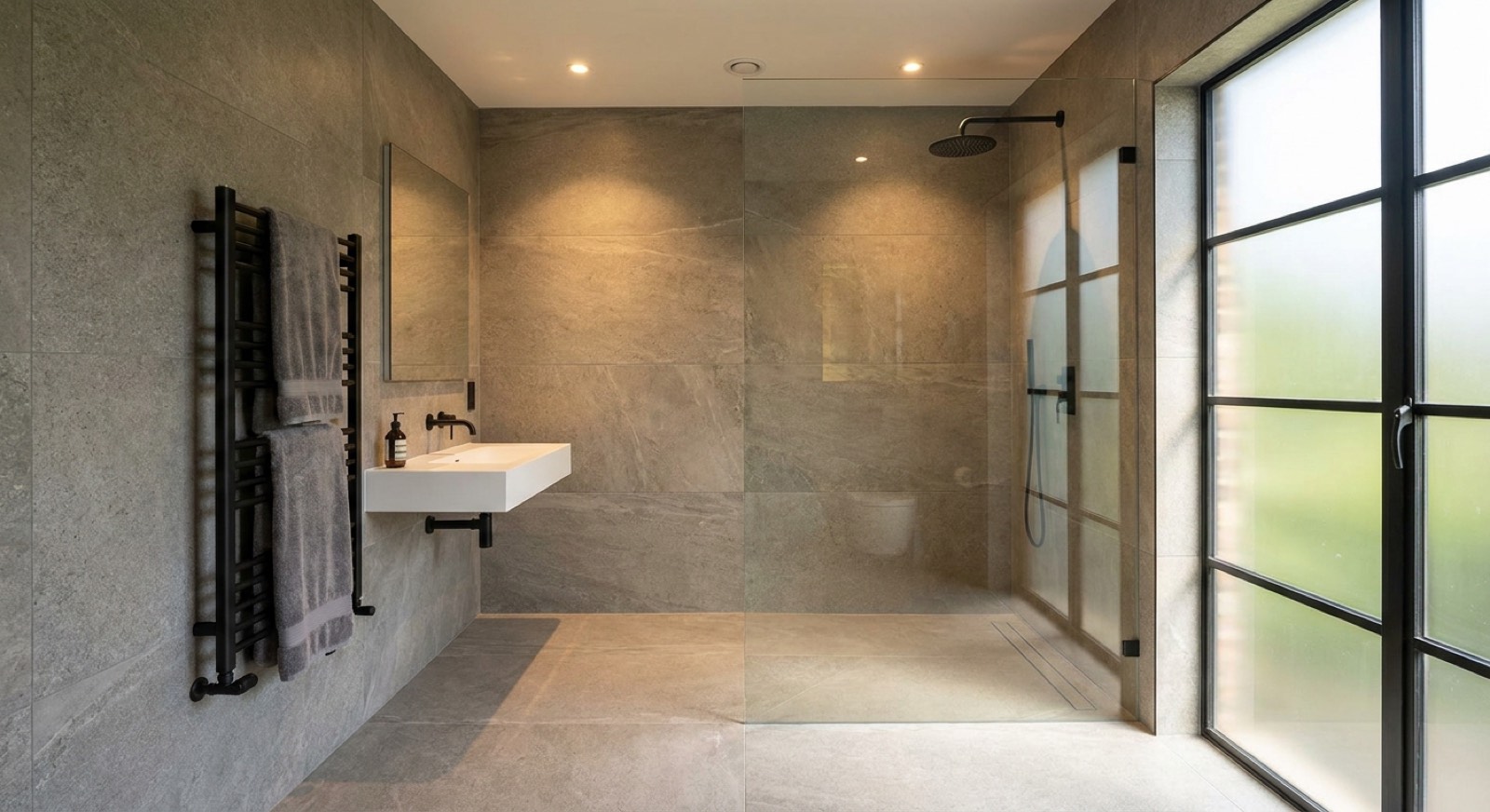
A wetroom in south London costs £7,000–£12,000 excluding VAT and takes two to three weeks. The price gap versus a normal bathroom is the structural work: the floor is opened up to form falls to a drain, and the entire room is tanked — and on the suspended timber floors most south London houses have, that structural stage is what decides whether a wetroom leaks.
This is for you if
- You want a walk-in, screen-free shower with no tray and no step
- The household needs level access now or will in the coming years
- A small or awkward room where a tray and enclosure waste the space
- You have seen wetroom horror stories and want it done properly once
- A loft or basement room where a conventional enclosure will not fit
- You want the whole-room tiled look
What's included
- Floor structure opened and rebuilt with formed falls to a linear drain
- Full-room tanking membrane — floor and walls, not just the shower corner
- Flood test before tiling: we prove it holds water before covering it up
- Large-format tiling with movement joints where the substrate needs them
- Concealed shower valve, fixed head and glass where the design wants it
- Underfloor heating option while the floor is already open
The standard we work to
Tanked to BS 8000-0 waterproofing practice with a manufacturer-backed membrane system; drainage falls and ventilation to Building Regulations.
| Guide range | £7,000 – £12,000 |
| Typical duration | 2–3 weeks |
| Compliance | Tanked to BS 8000-0 waterproofing practice with a manufacturer-backed membrane system |
Guide ranges for budgeting, excluding VAT. We confirm a fixed price after a free home survey — the price we agree is the price you pay.
Price your wetrooms
Two quick steps. We reply within one working day.
No account, no obligation. We only use this to prepare your quote.
Wetrooms — what people ask
How much does a wet room cost?
£7,000 to £12,000 excluding VAT in south London, versus £5,000–£9,000 for a conventional bathroom in the same room. The difference is the floor: forming falls into a suspended timber floor, tanking the whole room and flood-testing before tiling is skilled structural work. Be cautious of wetroom quotes under £6,000 — the usual saving is tanking only the shower corner, which is exactly how wetrooms fail.
Read the full answerDo wet rooms leak?
Properly built ones, no — badly built ones, notoriously. The failure is almost never the membrane product; it is the installation: tanking only part of the room, no flood test, missing movement joints, or falls formed wrong so water pools against a wall. We tank the full room, form falls to the drain before tiling, and flood-test the floor for 24 hours before a single tile goes down. That test is the difference, and we photograph it for your records.
Read the full answerAre wet rooms a good idea in a small bathroom?
Often the best idea. Removing the tray, enclosure and step frees more usable space than anything else you can do in a room under 2m × 2m, and the single tiled surface makes it read bigger. The trade-offs are real though: storage gets wet unless designed in, and you generally want underfloor heating so the floor dries. In a very small room we usually fit a single fixed glass panel to keep towels and paper dry.
Read the full answerDo wet rooms add value to a house?
As a second bathroom or en-suite, yes — a well-built wetroom reads as a premium, future-proof feature and photographs beautifully in listings. As the only bathroom in a family house, it can narrow your buyer pool, because many buyers with young children still want a bath. Our standard advice: convert the en-suite or second bathroom to a wetroom, keep a bath in the family bathroom.
Read the full answerCan you put a wetroom upstairs on a timber floor?
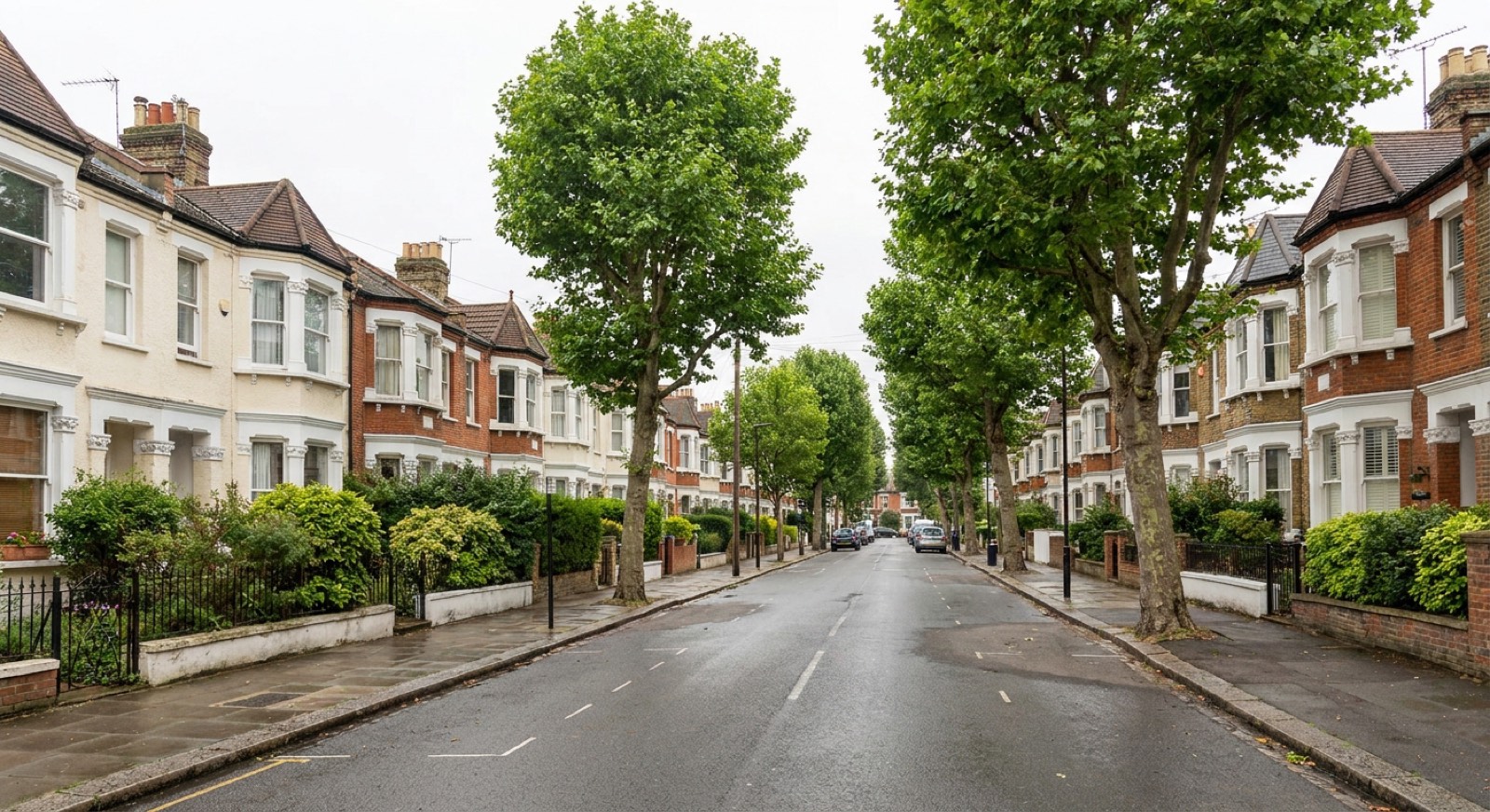
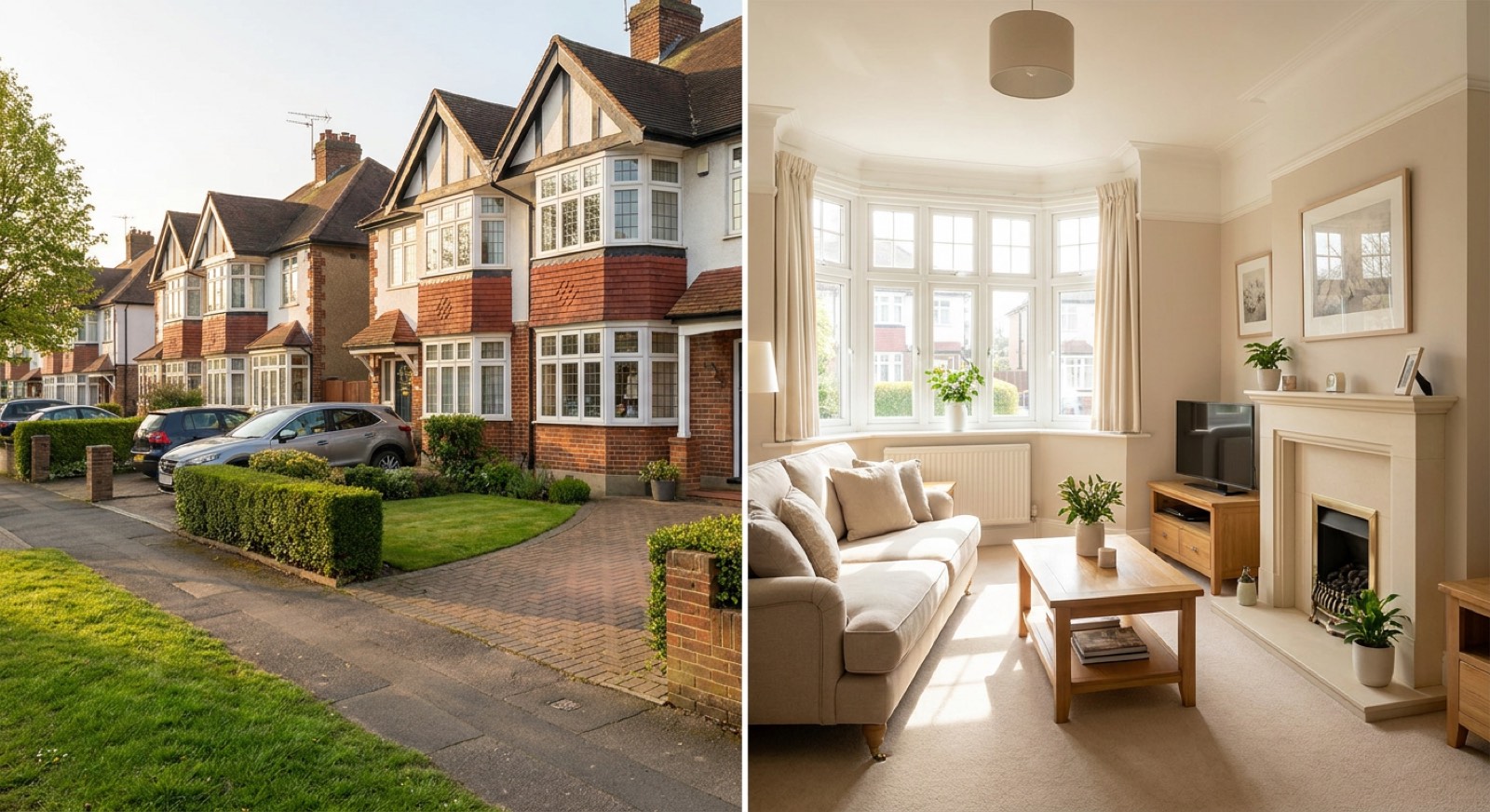
Yes — most of the wetrooms we build in south London are on suspended timber floors upstairs in Victorian and 1930s houses. The floor is opened, joists checked and stiffened where needed, a formed-fall board system installed, then the tanking membrane over it. Timber moves, which is why the membrane system and movement joints matter more upstairs than on a concrete ground floor — and why this is not a job for a general tiler.
Read the full answerWetrooms by town
The same price everywhere — what changes is the housing. Each page covers what wetrooms runs into locally: the floors, the water systems, the leases.
Planning wetrooms?
Tell us the room and the rough plan — we reply within one working day with an honest cost bracket, then a free home survey and a fixed written quote.